Knob and Tube Replacement Orange County: Modern Security Standards
The first time I opened a plaster wall in a 1920s bungalow in Old Towne Orange, a bundle of brittle cloth-wrapped conductors fell out like a handful of dry spaghetti. That house had stood through earthquakes, remodels, and at least five paint jobs. The wiring had survived too, but just barely. The homeowners wondered why the lights dimmed when the toaster ran. The real problem was older than any appliance in their kitchen.
Knob and tube wiring still hides in a surprising number of Orange County homes, especially in neighborhoods with pre-war or early post-war construction. You find it in attics in Santa Ana, crawl spaces in Fullerton, and behind lath and plaster in Anaheim and Huntington Beach. Many owners assume it is fine if it “still works.” From a modern safety standpoint, and under current California code, it often is not.
This guide explains what knob and tube is, how to tell if you may have it, what modern safety standards require, and how a licensed electrician in Orange County approaches replacement. I will also walk through planning, permitting, and how a rewiring project actually feels from the homeowner’s side. Along the way I will flag edge cases, answer the common what-ifs, and share the judgment calls that come from crawling thousands of feet through hot attics in July.
What knob and tube actually is
Knob and tube, or K&T, was the standard residential wiring method from the 1880s into the 1930s, with some installations continuing into the early 1950s. It uses single insulated conductors routed separately for hot and neutral. Porcelain knobs support and space the conductors across framing, and porcelain tubes protect conductors through joists and studs. There is no equipment grounding conductor.
When it was installed correctly, in its era, K&T performed well. The conductors carried the designed load, the air space around them allowed heat to dissipate, and porcelain served as an excellent insulator. The problem is not that it never worked. The problem is that our electrical demands, our building assemblies, and our safety expectations have all changed.
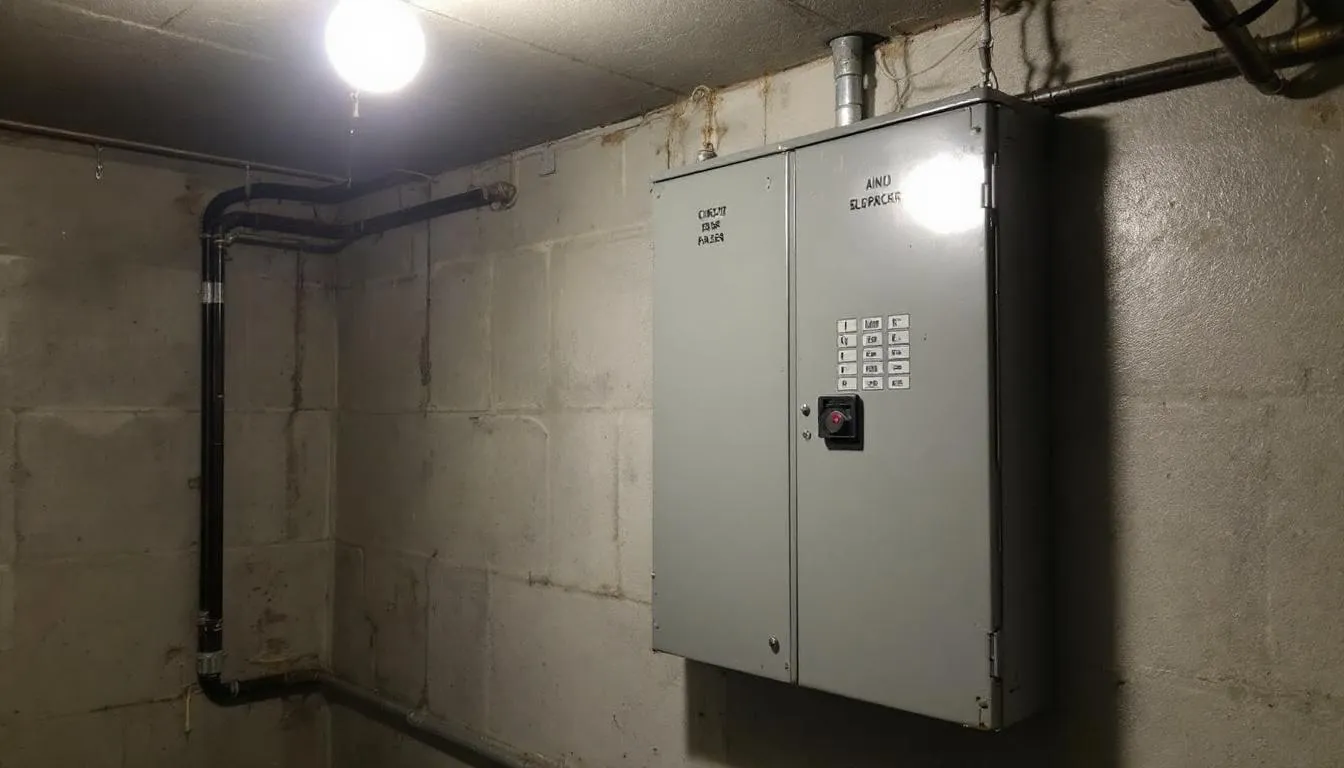

Homes with original K&T were wired when a house might have six to eight receptacles total, a few light fixtures, and maybe a radio. Today a typical kitchen circuit sees espresso machines, induction burners, microwaves, and a tangle of chargers. Bedrooms routinely host window ACs or space heaters during heat waves. Layer decades of splices, amateur repairs, and blown-in insulation over that, and the original engineering assumptions fall apart.
What modern safety standards require
The National Electrical Code, adopted in California as the California Electrical Code, does not ban existing K&T outright. It allows existing wiring to remain in service if it is in good condition, has not been modified improperly, and is not concealed by insulation where it would be subject to heat buildup. Local jurisdictions in Orange County, including Anaheim, Irvine, and Santa Ana, follow the CEC with local amendments and permitting requirements. Insurers are another force. Many carriers will not write a new policy or will limit coverage on homes with active K&T. Some will require an electrical inspection or documented decommissioning of the old wiring.
Modern safety standards expect grounded branch circuits, arc fault protection in living areas, and ground fault protection in kitchens, bathrooms, laundry areas, garages, and outdoor receptacles. They expect sufficient circuit capacity for fixed appliances and convenience outlets. They require tamper resistant receptacles, proper box fill, and listed connectors. None of this fits the K&T hardware without wholesale change.
Grounding alone justifies replacement. K&T has no equipment grounding conductor, which means modern three prong receptacles on K&T are either noncompliant or are bonded through questionable means. Sensitive electronics and surge protection also assume a proper ground path. Add to that the expectation for AFCI protection to reduce arc related fires, and you quickly see why keeping K&T is not a plan for the long term.
How to spot the signs in an Orange County home
A good electrical inspection helps, but homeowners often see the clues first. Here are quick indicators you might have K&T or legacy splices feeding modern outlets.
- Porcelain knobs or tubes visible on joists in the attic or crawl space, with single cloth-wrapped conductors strung between them.
- Two prong receptacles in living areas, or a mix of two prong and three prong that seem inconsistent room to room.
- Lights that dim when an appliance starts, or breakers that trip when you use a hair dryer and a heater on the same floor.
- Cloth or rubber insulation that cracks or flakes when touched, especially around fixture boxes or old wall switches.
- Evidence of blown-in cellulose or fiberglass buried over free air conductors in the attic, which K&T was never designed to handle.
Sometimes the signs are subtler. A “floating” neutral issue, mild tingles when touching metal lamp bases, or a receptacle that tests “open ground” on a plug-in tester often point back to older wiring. In an Orange County electrical inspection, we also look for mixed systems. It is common to find a kitchen or bath modernized in the 1990s, spliced somewhere out of sight into the old K&T trunk that still feeds bedrooms or hallways. The splice might be in a junction box, or it might be under a layer of plaster patched sixty years ago. The detective work matters.
Why K&T struggles in modern homes
Three practical reasons push replacement to the top of the list.
First, heat management. K&T relied on air space for cooling. When insulation is blown over the conductors, or when junctions are buried, heat does not escape. Cloth and rubber insulation becomes brittle. Wood lath dries around ceramic tubes. Over time, incidental heating at splices and fixtures becomes a fire risk.
Second, circuit loading. A typical K&T circuit may have served an entire floor of receptacles and lights on a 15 amp fuse. The original designers did not anticipate a kitchen island mixer, double vanity hair tools, or an electric vehicle charger in the garage. Modern code calls for several dedicated 20 amp circuits in the kitchen alone, separate small appliance circuits, and dedicated circuits for microwaves, dishwashers, disposals, and laundry. K&T cannot support that distribution.
Third, grounding and protection. Without an equipment ground, fault currents do not have a low impedance path back to the source. That affects everything from breaker operation to surge protection. Layer on the absence of AFCI, and you lose a safety net for arc faults from damaged cords or pinched conductors in lamps and fixtures.
What replacement really involves
Whole home rewiring in Orange County is not a single step. It is a staged project that blends planning, surgical access, and strict inspection coordination. A licensed electrician in Orange County will start with documentation, mapping existing circuits, and identifying paths to run new cable with minimal damage to finishes. In plaster and lath homes, that skill makes the difference between a dozen small, clean patches and a demolition project.
We also plan for panel capacity. Many houses with K&T still have undersized service equipment. If the main service is 60 to 100 amps, a panel replacement may be needed to feed new circuits and to bring the service up to modern demand. A 200 amp electrical panel upgrade in Orange County is common for homes adding electric ranges, heat pumps, hot tubs, or an EV charger installation. Service upgrades require coordination with Southern California Edison, proper meter socket and grounding electrode upgrades, and city permits. Expect a shut down window the day the new panel is set and inspected.
The physical replacement typically proceeds circuit by circuit. We pull new NM-B cable or EMT in exposed areas, set new metal or plastic boxes, convert two prong outlets to grounded three prong, and install AFCI and GFCI protection as required. We test as we go. We decommission K&T as each area is brought onto the new system. The final act is removing or blanking old devices, removing visible porcelain where practical, and labeling the new panel accurately.
Timelines, costs, and where projects go sideways
Every house is different, but patterns emerge. A two bedroom, one bath bungalow with accessible attic and crawl space, plaster walls in fair shape, and no existing insulation can often be rewired in 5 to 8 working days, plus patching and paint after. Add rigid foam over the roof deck, vaulted ceilings with no attic, or an addition with stucco walls and no crawl space, and timelines stretch. Homes with modern drywall and open framing move faster than those with brittle plaster and custom crown molding you do not want disturbed.
Cost ranges are wide because access dictates labor. For a small home with good access and minimal service changes, a full rewire may land in the mid five figures. If you add a 200 amp panel replacement, arc fault and ground fault protection throughout, new smoke and carbon monoxide detectors required by code, and specialty items like recessed lighting or outdoor lighting while walls are open, the number climbs. Large homes, complicated runs, and historic finish restoration can push projects well beyond that. An affordable electrician in Orange County will still insist on permits, proper materials, and inspection. Cutting corners here is costly later, especially when you try to sell.
Projects stall when homeowners try to keep too many legacy elements in place. For example, replacing only the visible outlets and lights in a bedroom while leaving K&T in the walls feeding the closet or hallway creates a hybrid system that fails inspection and disappoints insurers. The other snag is access. If an attic has been converted to a sealed, insulated space with no service catwalks, or if a crawl space lacks clearance, plan for selective drywall or plaster cuts to create pathway. I have spent hours fishing cable behind built-ins only to discover a hidden fire block that forced us to revise the route. Good planning absorbs these surprises, but it is fair to build contingency into schedule and cost.
Permitting, inspections, and the Orange County rhythm
Each city here has its own pace and procedural quirks. In Irvine, plan on clear submittal requirements and well organized inspections. In Santa Ana and Anaheim, the inspectors know the K&T profile and often want to see decommissioning steps. In coastal cities, be ready for corrosion considerations, bonding, and receptacle requirements in damp locations. Across the county, a proper electrical inspection is nonnegotiable for a rewire. Inspectors check box fill, cable support, staple spacing, nail plate protection, equipment grounding, AFCI and GFCI protection, and panel labeling. They also check smoke and CO detectors, which must be updated if permits are pulled.
As a local electrician in Orange County, I plan for rough and final inspections, with a service inspection if we upgrade the panel. We coordinate temporary power if needed, especially for homes with remote work or medical needs. A 24 hour electrician is not typically required for planned work, but having an emergency electrician in Orange County available is helpful if unforeseen issues arise during cutover. Same day electrician service may handle small follow ups after final inspection, like a ceiling fan installation or a last minute outlet installation that the homeowner decides to add.
The patchwork problem and why clean decommissioning matters
One of the more delicate parts of K&T replacement is the endgame. You can install new circuits and devices, but if the old K&T remains connected somewhere out of sight, it can still energize something it should not. We see hidden junctions feeding attic lights, closet pulls, or detached garage sub feeds. When we decommission, we disconnect at the source, remove or cap conductors, and document. In the panel, fuses or breakers that once served K&T are removed or repurposed with new labels. If we find abandoned K&T in walls that is not connected, we leave it inert and noted in the project closeout.
Clean decommissioning satisfies inspectors and insurers, and it prevents a later handyman from stumbling on an old conductor and deciding to “make it work.” It also clears the way for insulation crews. Modern insulation over NM-B or conduit runs is fine. Over active K&T, it is not allowed and not safe.
Special cases: partial rewires, additions, and investor flips
Not every project is a blank slate. Sometimes a homeowner remodels a kitchen now and plans a full rewire later. A partial rewire can be safe if it is done cleanly with defined separation from legacy wiring. That means dedicated new home runs for the remodeled area, no splices to old conductors except at a code compliant junction box with covers, and clear labeling on the panel that identifies what is new and what remains legacy. It also means making peace with two prong outlets or GFCI protected three prong outlets marked “No equipment ground” in the untouched areas for the time being.
Additions add more complexity. An ADU in the backyard or a second story build often triggers a main service upgrade, AFCI and GFCI requirements throughout the new space, and an opportunity to run new feeds that can later backfeed the main house as rewiring proceeds. For investor flips, budget for full rewire early. Inspectors in Orange County develop a keen eye for cosmetics over substance. A few new receptacles over a fossil wiring system will not pass.
Coordinating with other upgrades
K&T replacement is the perfect moment to invest in modern convenience. If an electric vehicle charger is on the horizon, we allocate a 40 to 60 amp circuit to the garage for a Level 2 electric vehicle charger in Orange County. If you plan a heat pump water heater or mini split HVAC, we run dedicated circuits with capacity for those loads. Smart home wiring can be prepped with low voltage wiring for cameras, access points, and structured media panels. Lighting installation can shift from a few ceiling fixtures to layered lighting with recessed lighting in living spaces and dimmable LED strips in kitchens and baths. Outdoor lighting, from path lights to soffit accents, benefits from new switched legs and weather rated boxes while the walls are open.
Backup power is another conversation. A portable generator inlet or a standby generator installation is easier to integrate during a panel replacement. Transfer switches or interlocks belong in the design, not added as an afterthought. Surge protection at the service and point of use also fits cleanly during this stage.

How we minimize wall damage
No one wants Swiss cheese walls. A residential electrician in Orange County who rewires older homes for a living builds pathways that hug closets, chase plumbing walls, and use baseboard and crown removals to hide cuts. In attics, we follow joists, drill through fire blocks with care, and fish down interior walls to avoid exterior stucco penetrations. Where we must cut, we make straight, clean openings sized for box installs or for easy patching. We coordinate with plaster pros who match sand float textures in Santa Ana cottages or smooth walls in Newport Beach ranches. It is perfectly normal for a rewiring project to end with a tidy patch list that a drywall finisher completes over a day or two.
Safety during the project
Living in place during a rewire is possible with planning. We stage circuits so you have lights in key areas at night. We keep refrigerators and critical devices on temporary power where feasible. We isolate work zones and cover furniture because plaster dust finds everything. Pets and open attics are a risky mix, so gates and closed doors become part of the daily routine. A top rated electrician in Orange County will communicate which areas go dark each day, what noise to expect, and how to stay safe around open boxes and temporary covers.
Real world anecdotes
In a 1938 Spanish revival near Chapman University, the homeowners had installed insulation a decade earlier without realizing the attic still carried active K&T. The summer before they called, a neutral failure in a shared lighting circuit sent stray voltage through pendant fixtures. The break was in a cloth lead wrapped around a porcelain knob half buried in cellulose. We replaced the circuit, unburied several feet of K&T, and found three junctions tucked behind plaster patches above door headers. The finished home looks untouched, but every light and receptacle now sits on grounded, AFCI protected circuiting. Their insurer lifted a coverage exception the next day.
Another case in Costa Mesa involved a garage conversion where the previous owner had tied new Romex into K&T with friction tape and no box. The conversion ran gaming PCs and a portable AC for hours daily. After a breaker kept tripping, we traced heat discoloration into a wall cavity and discovered the splice. That house now has a new subpanel in the garage, dedicated circuits for the workspace, and a reserved 50 amp feed for a future EV. The homeowner told me the only difference they notice day to day is that the lights never flicker, and their UPS units stopped beeping during hair dryer mornings.
Working with the right contractor
Credentials matter more than slogans. A licensed electrician in Orange County brings knowledge of local code amendments, SCE requirements, and city inspection habits. An Orange County electrical contractor with a dedicated rewiring crew moves faster and causes less damage than a generalist who dabbles. Insurance, bonding, and references should be easy to verify. The best electrician in Orange County for this job is the one who can explain their plan, point to similar projects in your neighborhood, and provide a clear scope with allowances for patching.
Avoid bids that skip permits or suggest “just replacing the outlets” while leaving the old feeds. It may look affordable, but it fails the moment an inspector walks in or a buyer’s home inspector writes a report. A same day electrician can handle a tripping breaker or a light that will not turn on. Whole home rewiring in Orange County belongs to a team equipped for it, with scheduling and project management to match.
How we decide what to do first
Early in the process, we triage. Life safety comes first. If we find overheated connections, open splices, or energized metal boxes, we make those safe immediately. Next, we address high load areas like kitchens, laundry, and HVAC. Bedrooms and living spaces follow, often grouped by attic or crawl space access. Finally, we complete specialty items like new lighting installation, ceiling fan installation, and any low voltage wiring clean up. Panel replacement, when needed, slots in as early as possible to power the new circuits as they come online.
Here is a simple roadmap that helps homeowners track a typical project without getting lost in trade speak.
- Assessment and mapping, with written scope, permit plan, and panel evaluation.
- Rough-in of new home runs, boxes, and protection devices, with careful decommissioning of K&T as areas convert.
- Panel upgrade if required, including utility coordination, grounding upgrades, and labeling.
- Device install, lighting trims, and testing of every circuit, receptacle, and switch.
- Final inspection, punch list, wall patches, and documentation for your records and insurer.
Common questions, honest answers
Can I leave some K&T in the walls if it is in good shape? Legally, if it is in good condition and not covered by insulation, some jurisdictions allow it to remain. Practically, it rarely makes sense. Homes evolve, and the moment you blow more insulation in the attic or add load to that circuit, the calculus changes. Insurers may still balk. If budget constrains a full rewire, plan a staged approach that cleanly separates new and old without unsafe splices.
Will a GFCI receptacle make an ungrounded outlet safe? A GFCI can provide personnel protection on a two wire circuit and is allowed with proper labeling. It does not create an equipment ground. Surge protectors and some electronics perform better with a true ground. Treat GFCIs on two wire circuits as an interim measure.
How messy is this, really? Expect dust, a handful of small holes per room, and a few days with parts of the house without power. A careful residential electrician in Orange County will keep the footprint small, clean daily, and coordinate trades so the disruption is short and predictable. Good communication makes the difference between tolerable and terrible.
Do I need to upgrade to 200 amps? Not always. A modest home without electric heating or large loads may operate well on 100 or 125 amps. If you plan to add an EV charger, induction range, hot tub, or heat pump systems, 200 amps becomes the smart baseline. A thorough load calculation drives this decision, not guesswork.
What about commercial spaces with legacy wiring? Commercial electrician work rarely encounters K&T because commercial stock in Orange County is newer or has been rewired during tenant improvements. If your building has obsolete systems, treat them with the same urgency, and plan around business downtime carefully.
After the dust settles
Once the project wraps, you own more than new copper. You gain a system that meets current code, supports modern life, and passes inspection. Labeling on the panel means an electrician near me in Orange County can service your home quickly and safely in the future. And your insurer, buyers, and tenants see a documented, professional upgrade. Keep the permit card, inspection sign off, and a copy of the panel schedule. If you ever add a remodel, a smart home hub, or another circuit, you start from solid ground.
There is also peace of mind you cannot quantify. The dimming light in that Old Towne Orange bungalow never dimmed again after we rewired. We added dedicated kitchen circuits, swapped the fuse box for a clean 200 amp panel, installed recessed lighting in the living room, and ran a ready conduit for a future EV charger installation. The homeowners later told me the biggest change was that they stopped thinking about electricity at all. That is the goal.
When to call, who to call
If you suspect K&T or have persistent electrical issues, schedule a professional evaluation. An Orange County electrical repair visit often starts with targeted troubleshooting. From there, you decide whether to patch a symptom or invest https://jaidenqyku471.yousher.com/electric-car-charger-rebates-and-installations-orange-county in a solution. A licensed electrician in Orange County, properly insured and permitted, can deliver the latter. Whether you need whole home rewiring, an electrical panel upgrade in Orange County, or just clear advice, choose an Orange County electrical contractor who treats your home like a system, not a collection of parts.
The path from porcelain knobs to modern safety standards is well traveled. It takes planning, patience, and a steady hand. Done right, it sets your home up for the next fifty years, with room for the things you will add tomorrow.