Remodel and Addition Electrical Specialist Orange County
A remodel or addition reshapes more than how an area looks. It changes how a home breathes, how it uses power, and how it keeps individuals safe. The electrical scope touches every wall, cabinet, and ceiling line. As a local electrician Orange County CA homeowners require complicated tasks, I have seen clever planning save weeks and poor planning tear open freshly painted walls. Great electrical work is invisible when it is done right, and difficult to overlook when it is not.
What changes when you remodel
A brand-new kitchen area doubles the number of circuits. An owner's suite pushes the circuit box to its limits. A family room addition produces long lighting runs and changing that must feel user-friendly. Lots of homes in Orange County were built between the 1960s and 1990s. They were not developed for today's electric vehicle charger loads, induction varieties, whole home Wi‑Fi, or layered LED lighting. That gap shows up first at the electrical panel, then at the breaker trips, then in the assessment report.
As a licensed electrician Orange County citizens trust with remodels, I begin with two concerns: what will the space do, and what does the existing system allow. Those responses drive the design, the authorization scope, and the budget.
Getting permits right in Orange County
In this county, every city imposes the California Electrical Code with regional changes. Whether the task sits in Irvine, Costa Mesa, Mission Viejo, Santa Ana, or Dana Point, a permit is required for brand-new circuits, panel replacement, and any circuitry in an addition or ADU. Inspectors in Orange County respond well to complete load estimations, clear one‑line diagrams for service upgrades, and gadget counts that match the plans.
I motivate owners to consider the permit as insurance. It forces a 2nd set of eyes on the work, keeps the resale path tidy, and satisfies utility requirements for meter work. When a property owner searches for an "electrician near me Orange County," the professional who speaks plainly about authorizations and scheduling typically secures your timeline and your budget.
Planning the electrical scope for a remodel or addition
I walk every job with the basic contractor and the owner. We stand in the proposed kitchen area, we mark changing at doorways, we test sight lines for pendants, and we count gadgets for walls that will later hold tile or paneling. Five minutes with a roll of blue tape can conserve a day of rework.
Here is a short preparation list I use to start style conversations:
- Room by room function, including job zones and furnishings layout
- Circuit counts and devoted loads, such as home appliances or a server closet
- Lighting layers, including recessed lighting Orange County clients love for tidy ceilings
- Low voltage wiring for information, video cameras, audio, and smart thermostats
- Future loads, such as an EV charger, jacuzzi, or yard kitchen
A thorough plan keeps the trenching for an ADU from hitting a landscape upgrade, and it keeps a kitchen area island outlet where it serves you instead of where code only barely permits it.
Service capacity, load estimations, and panel strategy
Most remodels force a conversation about service size. A three bed room ranch with a 100 amp service might live happily with a gas range and no pool. Add an induction cooktop, a wall oven, a wine refrigerator, and an electric car battery charger Orange County households want for their commute, and the primary panel begins grumbling.
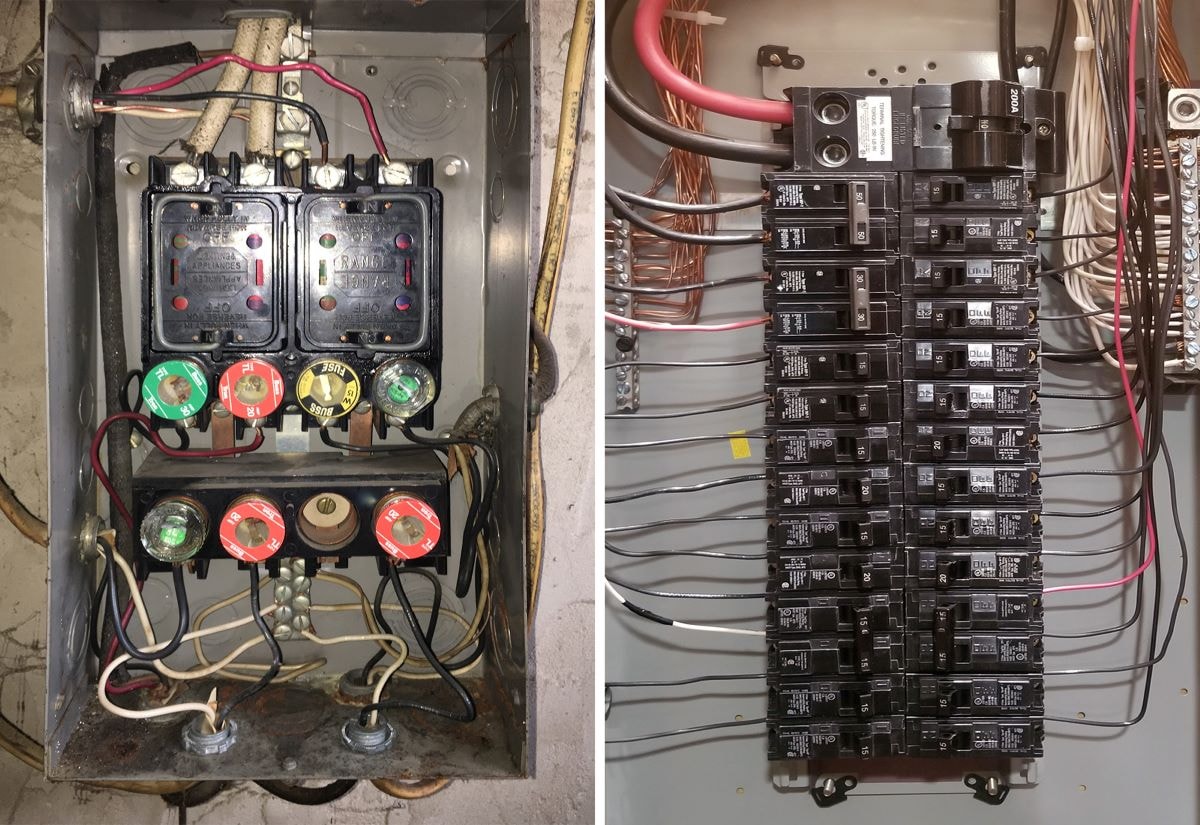
For every large addition, I complete a NEC Article 220 load calculation. One job in Tustin, a 1968 single story that grew to 2,300 square feet with a new kitchen and owner's suite, looked fine on paper until we factored in a 50 amp EV battery charger and a 30 amp future medical spa. The mathematics pushed the existing 125 amp service over the edge. We planned an electrical panel upgrade Orange County inspectors see weekly, moving the meter and primary to a modern 200 amp combination panel on an exterior wall, then feeding a 100 amp subpanel in the garage. The owner got capability, and we gained working space that kept rough‑in fast.
When is a panel replacement Orange County homeowners can justify worth it. These red flags point that instructions:
- Frequent nuisance journeys on kitchen or HVAC breakers
- A panel brand name with known issues, such as specific classic Stab‑Lok or Zinsco gear
- A primary panel that is physically complete without any area for tandem breakers
- Visible deterioration from coastal air or water intrusion
- Heat discoloration or buzzing that suggests loose terminations
Upgrading a panel is not only about amps. New panels offer you room for AFCI and GFCI breakers where needed, they tidy up grounding and bonding, and they make future work easier. A clear one‑line, utility coordination, and meter release timing keep power blackouts to a minimum. We set up panel work for midweek early mornings, stage materials the day previously, and generally bring back power by late afternoon.
Kitchens and baths, where the details matter
A cooking area remodel holds more electrical thinking per square foot than any other room. Different 20 amp countertop circuits, a devoted circuit for the microwave, another for the dishwashing machine and disposal, then a final one for the hood or a second oven. Island outlet setup Orange County inspectors check closely, especially for GFCI protection and spacing. Plan the backsplash carefully so outlets line up with tile joints and undercabinet lighting remains invisible.
Bathrooms carry their own guidelines. GFCI protected receptacles within three feet of the basin, dedicated 20 amp circuits for hair dryers, and careful changing for exhaust fans with timers. Heated floorings draw genuine power. If you wait to add that after tile is down, it becomes a headache. Pull the circuit throughout rough‑in and leave it capped for the tile crew to finish.
Lighting style that raises the space
Lighting can make or break a remodel. I am not speaking about wattage alone. Layered lighting changes a space. Recessed lighting Orange County homes often use as the foundation works best with a 4 inch wafer can, 2700 to 3000K heat, and dimming separated by job zones. Include pendants over islands and a single accent sconce to pull focus. For a living room addition, I path low glare downlights to prevent television screen reflections, then include a switched floor outlet for a reading lamp.

Outdoor lighting Orange County backyards are worthy of extends the use of an area deep into fall nights. Course lights at eight to 10 foot spacing feel natural, action lights every third riser keep your eye comfy, and a couple of soft uplights into trees develop depth. Controlled dimming and photocells keep energy use in check. For patio areas with fans, I prewire for both fan and light kits, and I always go over wet rated fixtures within ten feet of a pool.
Ceiling fan setup Orange County customers demand throughout remodels take advantage of modern-day fan rated boxes and appropriate bracing. I choose a devoted wall control that leaves pull chains alone, with a neutral in the switch box for future clever control.
Smart home circuitry and low voltage done right
Retrofits often depend on wireless gadgets. That works till a remodel moves walls or includes steel and stucco that penalize Wi‑Fi signals. Smart home circuitry Orange County owners appreciate consists of a structured media panel, home runs of Feline 6 to TV walls and workspaces, and power for access points in the ceiling. A couple of low voltage electrical wiring decisions at rough‑in buy you years of clean efficiency. Prewire for a doorbell electronic camera, a driveway cam, and 2 or 3 soffit electronic camera locations. If the house owner selects to delay electronic camera hardware, the wires wait behind a blank plate.
Audio works best with 16 gauge 2 conductor stranded copper to sets of ceiling speakers, plus a channel from television places to media cabinets for future HDMI cable pulls. For tones, I ask the window supplier for motor specifications early so we can supply low voltage power at the header, not down the wall near the jamb.
EV battery charger setup and future energy loads
We set up a lot of EV charger setup Orange County large. The choice between a 40 amp and a 60 amp circuit depends upon the lorry and how quick the owner needs to charge. A household with a nightly 30 mile commute can live happily with a 40 amp circuit. Somebody with 2 electrical lorries or a plug‑in hybrid and a long commute benefits from 60 amps and load management. If the main service can not support the charger, we take a look at a load management device or a service upgrade. Channel routing matters if walls are open during a remodel. It is low-cost to drop a future channel to a driveway wall while the drywall is off.
As heat pump water heaters and a/c systems spread out, service capability preparation ends up being even more important. I have started asking customers whether they expect to change to induction cooking in the next 5 years. If yes, we set a devoted 50 amp circuit behind the range nook with a blank cover. It costs bit throughout rough‑in and conserves a drywall spot later.
Additions and ADUs, from trench to trim
A space addition or an ADU modifications your site's electrical backbone. Trenching for a detached ADU implies preparing avenue size, range limitations, and voltage drop. I size feeders to keep voltage drop under 3 percent for the long run, even if it indicates stepping up to 1 inch PVC for future pull capacity. Subpanels in ADUs benefit from a minimum of 8 to 12 areas. That gives you space for kitchen area little home appliance circuits, laundry, HVAC, and lighting without crowding.
If the addition links to the main structure, the difficulty becomes integrating changing and lighting so the new space seems like part of the original home. Three and 4 method switching must match the existing design. I frequently suggest a small control board by the back slider with a master off for exterior lights, the outdoor patio fan, and the kitchen pendants.
Whole home rewiring Orange County projects appear when plaster walls open for a big remodel and we find fabric insulated or fragile aluminum branch circuits. When the scope supports it, I recommend taking the wiring to existing code, including AFCI protection and tamper resistant receptacles. It costs more today, and it settles in security and long term reliability.
Commercial renter enhancements, a parallel ability set
Although this post centers on homes, much of the very same concepts apply to shops, clinics, and workplaces. As a commercial electrician Orange County organizations hire for tenant enhancements, I coordinate with a/c and fire life security early. Devoted circuits for point of sale, separated premises for sensitive devices, and lighting controls that satisfy Title 24 save surprises at the last evaluation. Build spaces and server closets need cooling and separate circuits. When a space modifications occupancy type, we loop building and security in throughout strategy check so the electrical service size and egress lighting satisfy standards.
Troubleshooting and repair work during a remodel
Even with tidy plans, an older house hides surprises. We open a wall and discover a concealed junction buried behind plaster. A breaker journeys under load despite the fact that the math states it should not. Electrical fixing Orange County renovates require starts with a meter, perseverance, and a plan. I map circuits and isolate loads. I evaluate outlet polarity and breaker habits under genuine home appliances. Orange County electrical repair https://edwingsqd748.tearosediner.net/smart-home-panel-and-load-management-orange-county during a remodel blends into the schedule if the specialist constructs a little flexibility into the sequence.
Sometimes the calendar turns against you. Drywall is set up for morning, and a secret circuit need to be resolved before the team closes the wall. That is when a same day electrical contractor Orange County teams can trust makes a difference. We keep stock on the truck, from GFCI receptacles to 4 inch LED wafer lights, so small fixes do not become delays. When a hot leg stops working on a Friday night in a half redesigned kitchen, a 24 hr electrical contractor Orange County households can reach prevents food from ruining and keeps the job on track for the next week.
Safety, evaluations, and passing the first time
Every remodel involves a minimum of two electrical inspections. Rough‑in checks box places, wire gauge, stapling, nail plates, and bonding. Final examination looks at devices, labeling, AFCI and GFCI function, lighting control compliance, and smoke detector with carbon monoxide gas detectors. An electrical assessment Orange County inspectors conduct is extensive but fair if the essentials are tidy. I pretest GFCI and AFCI function, label the panel with typed directory sites, and stage ladders and attic access for the inspector. A few minutes of prep keep the go to smooth.
For generator installation Orange County homes with medical equipment or work from home needs sometimes require, prepare the transfer equipment throughout the panel style. A noted transfer switch or an interlock package that meets energy rules keeps linemen safe and prevents backfeeding the grid. I size portable generator inlets to 30 or 50 amps and mark the vital load panel clearly.
Costs and timelines, with genuine numbers
Budgets vary with scope and city costs, however patterns are consistent:
- A panel upgrade from 100 to 200 amps, including license and energy coordination, frequently lands in the 3,000 to 5,500 dollar variety, greater if the meter moves or stucco repair is extensive.
- Kitchen rough‑in and trim, consisting of circuits for appliances, lighting installation Orange County kitchen areas prefer, and undercabinet power, might range from 3,500 to 8,000 dollars depending on size and fixture selection.
- EV battery charger installation Orange County broad, with a 40 to 60 amp circuit and a NEMA 14‑50 or hardwired station, generally runs 800 to 2,200 dollars, more if the run crosses a finished ceiling.
- An ADU feeder and subpanel, consisting of trenching and conductors sized for a 60 to 100 amp feed, can fall in the 4,000 to 9,000 dollar range based on distance and surface area restoration.
Timelines follow permits. Easy over‑the‑counter allows for circuit additions or small lighting modifications can be pulled in a day or two. Service upgrades need utility notices and meter release scheduling, which may include one to two weeks. Coordinate assessments early. A local electrical contractor Orange County based usually knows the rhythms of each city and can slot trades in the right order.
What makes a contractor the best fit
The finest electrical expert Orange County house owners pick for a remodel comprehends sequencing. need holes drilled without hacking at studs. Plumbers require room to run vent stacks. Tile setters dislike last minute outlet moves. Electricians who appear with a strategy respect the other trades and safeguard the schedule.
I look for 3 things when I am on the opposite of the table picking partners. Initially, clearness in the proposal. It ought to note circuits, device counts, panel scope, component allowances, and exclusions like ceiling patching. Second, references with comparable work, not simply service calls. A leading rated electrician Orange County citizens praise for rewiring a 1970s split level is more relevant than a dozen five minute outlet swaps. Third, interaction. If the specialist reacts quickly throughout bidding, they will likely react rapidly throughout rough‑in when a surprise comes up behind a wall.
There is also a place for cost. A cost effective electrician Orange County property owners can trust builds value by preventing modification orders and rework. The most inexpensive number upfront is not less expensive if it leaves you without capability for a 2nd EV or a future heat pump. Balance today's budget and tomorrow's needs.
Small but important information that finish a task well
Trim is where homeowners live. Gadget color and style, constant screw orientation on plates, and clean drywall cuts around boxes accumulate. I bring a small choice of decorator dimmers that match color temperature level memory for LEDs. For outlet setup Orange County homes with toddlers require, tamper resistant receptacles reduce risk without changing the look.
Labeling matters. A cool panel directory with spaces and loads listed plainly helps every future service call. Leaving an as‑built drawing rolled in a zip bag near the panel helps the next electrical contractor comprehend junctions and low voltage runs. These little gestures cost minutes and pay back years.
When speed matters, when persistence pays
Some calls are immediate. A broken main breaker on a weekend, a half‑finished cooking area with no power for a fridge, or a tripped GFCI feeding a bath without any window. An emergency electrician Orange County locals can reach at odd hours keeps households safe and jobs moving. We bring typical breakers, GFCIs, and LED trims for that reason.
Other tasks need persistence. Matching vintage plaster with new gadget boxes, fishing a new circuit through an ended up ceiling without cutting more than a single hole, or balancing shared neutrals in an old multiwire branch circuit take time. Rushing here just includes patches and putty later.
Why regional experience matters
Orange County has its peculiarities. Salt air near the coast chews on outside enclosures. Inland heat presses heating and cooling loads and difficulties attic circuitry temperature levels. City inspectors vary in how they see AFCI security on existing extensions. A local electrician Orange County based discovers these patterns and designs around them.
One example. A remodel in San Clemente had an outside main panel exposed to coastal weather condition. We spec 'd a NEMA 3R panel with a drip edge flashing, utilized anti‑oxidant on aluminum service conductors, and kept in mind a biannual check on the work order. The exact same information inland would be overkill. On a Mission Viejo hillside, voltage drop on a long driveway pushed us to a bigger feeder for a removed garage. Local terrain and weather condition shape great decisions.
Bringing all of it together
A remodel or addition succeeds when the electrical system supports the method people live. It should make early mornings basic and nights comfortable. Cooking ought to feel smooth, lights must react without flicker, Wi‑Fi should be stable, and the panel needs to have room for your next idea. An Orange County electrical contractor who thinks in this manner ties craft to practice, not simply to code.
If you are beginning a task and searching for a residential electrician Orange County house owners rely on, try to find experience with kitchen circuits, lighting design, and panel upgrades. If your job leans commercial, a contractor fluent in Title 24 controls and occupant buildouts helps avoid late stage surprises. Whether you need fixing throughout a remodel, a whole home rewiring Orange County scope, or a straightforward lighting setup Orange County inspectors will pass on the very first shot, choose a team that plans well, interacts plainly, and shows up ready.
Remodels test coordination. Additions test capability. Both reward profundity. With a thoughtful style, clean execution, and the ideal partner, your project ends up strong and stays that method for decades.